

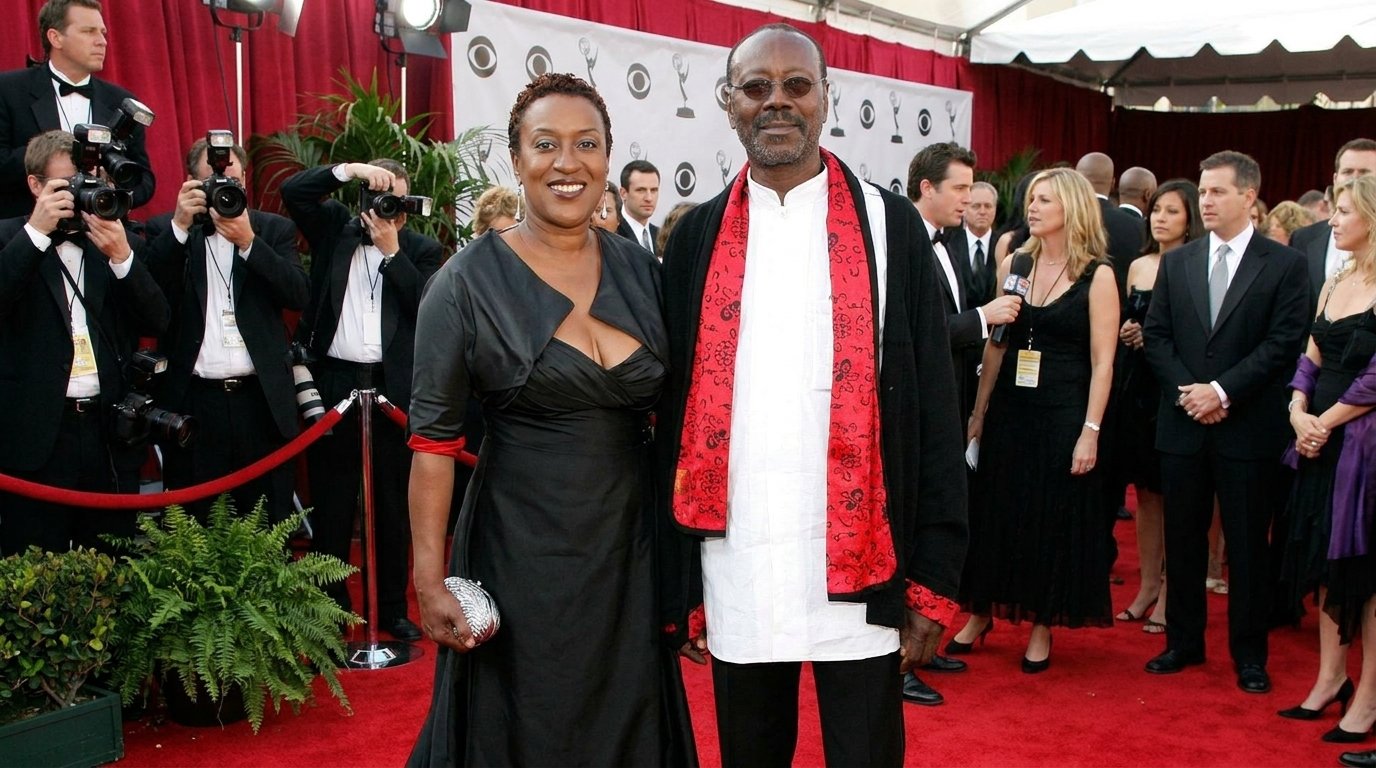
Boubacar Kone, whose surname is also written as Koné, was a Senegalese museum founder, curator, journalist, and cultural figure. Many people know his name because he was married to actress CCH Pounder, but his own career was strongly connected to African art and cultural exchange.
Kone helped establish Musée Boribana in Dakar, Senegal, and spent years working with artists, galleries, and cultural institutions in different countries. His work connected contemporary African art with the wider African diaspora, making his legacy much broader than his connection to Hollywood.
Quick Facts About Boubacar Kone
| Fact | Details |
|---|---|
| Full name | Boubacar Koné |
| Also written as | Boubacar Kone |
| Born | October 25, 1942 |
| Birthplace | Senegal |
| Died | August 3, 2016 |
| Place of death | Los Angeles, California |
| Age at death | 73 |
| Profession | Museum founder, curator, journalist, cultural worker; also described as an anthropologist |
| Education | Institute of International Journalism in Strasbourg, France |
| Best known for | Co-founding Musée Boribana and the Pounder-Koné Art Space |
| Spouse | CCH Pounder |
| Children | Public sources conflict; his published obituary lists five children |
| Net worth | No reliable public figure has been verified |
Who Was Boubacar Kone?
Boubacar Kone was born in Senegal on October 25, 1942. His published obituary describes him as a museum founder and curator, while other reliable reports also identify him as a journalist and anthropologist.
His interest in African art and culture began long before his name became widely connected with CCH Pounder. Over the years, Kone lived and worked in several countries, including Senegal, France, Canada, and the United States. Those international experiences became an important part of his approach to art and cultural exchange.
His most important public achievement was his involvement in creating Musée Boribana, a contemporary art museum in Dakar. The museum was designed to create connections between African artists and artists of African descent living in other parts of the world.
Early Life, Education, and Cultural Interests
Reliable information about Kone’s childhood is limited. Public sources do not provide many confirmed details about his parents, early family life, or the exact circumstances of his upbringing in Senegal.
What is documented is that he later studied at the Institute of International Journalism in Strasbourg, France. His obituary also connects him with a Dakar-based research group that studied African systems of thought and religion.
In 1966, Kone joined a delegation from the African Institute to the first World Festival of Negro Arts in Dakar. The festival was an important cultural event that brought together artists, writers, musicians, and intellectuals from Africa and the African diaspora.
Kone later moved to Canada, where he worked with the Agnes Etherington Art Centre at Queen’s University. He was also involved in organizing an African-Caribbean art festival in Montreal.
After moving to the United States, he continued working in the cultural world and served as an adviser to the Afriki Gallery in Los Angeles.
Boubacar Kone’s Career Before Musée Boribana
Boubacar Kone’s career cannot easily be described with a single job title. His work included journalism, cultural research, museum development, art collecting, and curating.
CCH Pounder later explained that her husband had helped Western curators obtain African artifacts. She also said he had a special interest in the Dogon culture of Mali, an area that became part of his broader interest in African history and artistic traditions.
Voice of America described Kone as a Senegalese-born anthropologist. In an interview, he spoke about his desire to give something meaningful back to Senegal. He believed that a museum could help create a stronger public culture around art while giving artists more opportunities to show and discuss their work.
This background is important because Musée Boribana was not simply a project connected to his famous wife. The museum grew from Kone’s own long-term involvement with African culture, artistic research, galleries, and international museum work.
Musée Boribana and His Lasting Art Legacy
Musée Boribana became the most important achievement of Boubacar Kone’s public career.
Kone and CCH Pounder developed the museum as a place for contemporary art in Dakar. One of its main goals was to create stronger connections between artists living in Africa and artists of African heritage living elsewhere in the world.
There is some disagreement about exactly when Musée Boribana was founded. Senegal’s Ministry of Culture says the museum was created in 1990, while CCH Pounder’s official biography gives 1992. Kone’s published obituary gives 1993.
Because these reliable sources provide different dates, it would be misleading to present one year as completely certain. The different dates may refer to separate stages in the museum’s creation, development, or official opening.
The museum’s purpose, however, is much clearer.
Pounder has explained that Kone had dreamed of creating a museum and that the couple eventually decided to focus on contemporary art. Musée Boribana included exhibition spaces as well as areas where artists could stay and work. This gave artists a place not only to display their work but also to meet other artists and exchange ideas.
A major change came on December 12, 2014, when the museum and its collection were transferred to the State of Senegal. Senegalese government and media sources described the transfer as an important cultural gift.
The museum continued as a public institution, and Senegal’s Ministry of Culture still presents Musée Boribana as a place for contemporary art exhibitions, creative work, and artist residencies.
Marriage to CCH Pounder and Their Shared Cultural Work
Boubacar Kone’s marriage to actress CCH Pounder brought him greater public attention, but their relationship also had a strong connection to art.
Pounder has said that Kone began talking about his dream of creating a museum within months of their marriage. Over time, they worked together on Musée Boribana and later became connected with the Pounder-Koné Art Space in Los Angeles.
There is some confusion about the exact year they married.
Kone’s 2016 obituary describes Pounder as his wife of 25 years, which would suggest they married around 1991. However, a 2009 Voice of America report described them as having been married for about 14 years, which points to a different year.
Because reliable sources do not agree, the exact marriage year should be treated with caution rather than stated as a confirmed fact.
Their shared involvement with art continued to shape Pounder’s cultural work after Kone’s death. Her large collection of African, Caribbean, and African-diaspora art has appeared in museum exhibitions, and some of those exhibitions continue to use the Pounder-Koné name.

Children and Family Details: Why Sources Disagree
Information about Boubacar Kone’s children is another area where public sources do not agree.
His published obituary lists five children: Cheik, Aisha, Awa, Noah, and Mariama. It also mentions three grandchildren.
However, several celebrity-focused biography websites say that Kone and Pounder had three children named Nicole, Libya, and Matthew.
These two versions clearly do not match, and available public sources do not fully explain the difference.
Because Kone’s obituary was published at the time of his death and specifically identifies his surviving family members, it is the stronger source for this subject. Even so, the exact relationship between the names reported in the obituary and those listed by entertainment websites is not clear.
For that reason, it is better not to present a specific number of children as an undisputed fact without further documentation.
Boubacar Kone’s Death and Cause of Death
Boubacar Kone died in Los Angeles on August 3, 2016. He was born on October 25, 1942, which means he was 73 years old at the time of his death.
His published obituary does not provide a cause of death.
Some later biography and entertainment websites claim that Kone died of natural causes. However, that detail is not clearly supported by the stronger contemporary sources reviewed for this article.
The most accurate way to describe the situation is that his cause of death was not publicly confirmed in the main reliable sources checked.
Why Boubacar Kone Still Matters
Boubacar Kone’s lasting legacy is closely connected to the cultural institution he helped build.
Musée Boribana gave contemporary African artists a place to exhibit their work while also creating opportunities for artists from the African diaspora to connect with creative communities in Senegal. Through its exhibitions and artist residences, the museum encouraged cultural exchange rather than simply displaying artwork.
Kone’s life story also shows why describing him only as “CCH Pounder’s husband” leaves out an important part of who he was.
His career touched journalism, anthropology, curating, museum development, art collecting, and international cultural exchange. He spent decades working around African art and culture, and his museum project eventually became part of Senegal’s public cultural landscape.
As of 2026, Senegal’s Ministry of Culture continues to recognize Musée Boribana and credits Kone with donating the museum to the state in 2014.
How This Was Researched
I researched this Boubacar Kone biography using his published obituary, CCH Pounder’s official website and interviews, Senegalese government museum information, Voice of America reporting, and profiles from art institutions. I also compared biography pages covering his marriage, family, death, and museum work. Several of those pages give conflicting information about important details, so I have clearly noted those differences rather than guessing. This article also gives more attention to Kone’s own cultural career, which is often only briefly covered in celebrity-focused profiles.
— Hassan
Frequently Asked Questions
Who was Boubacar Kone?
Boubacar Kone was a Senegalese museum founder, curator, journalist, and cultural figure. He is best known for helping create Musée Boribana in Dakar and for being the husband of actress CCH Pounder.
What did Boubacar Kone do for a living?
Kone worked in several areas during his career. He was involved in journalism, cultural research, museum development, art collecting, and curating. Some sources also describe him as an anthropologist.
Was Boubacar Kone CCH Pounder’s husband?
Yes. Boubacar Kone was married to actress CCH Pounder until his death in 2016. Public sources give different information about the exact year they married, so that date remains unclear.
How old was Boubacar Kone when he died?
Boubacar Kone was 73 years old when he died. He was born on October 25, 1942, and died on August 3, 2016.
What was Boubacar Kone’s cause of death?
His published obituary did not give a cause of death. Some later websites say he died of natural causes, but that information could not be confirmed from the stronger sources reviewed for this article.
How many children did Boubacar Kone have?
Public sources disagree about his children. His obituary lists five children, while several celebrity websites give three different names. Because the information conflicts, the exact family details should be treated cautiously.
What was Boubacar Kone’s net worth?
There is no reliable public record confirming Boubacar Kone’s net worth. Some biography websites publish estimates, but they do not provide strong financial evidence to support those figures.
Accuracy Note
This biography is based on publicly available information, including a published obituary, official cultural sources, interviews, and established media coverage. Where reliable sources disagree, those differences are clearly noted instead of presenting uncertain information as fact. If stronger or updated documentation becomes available, the article can be reviewed and updated.
Written and researched by Hassan, contributor at ntx magazine.
Written by Hassan, founder and editor of NTX Magazine — an independent news and biography publication. Every article is researched and cross-checked against multiple public sources before publishing; see our Sourcing Standards page for details.